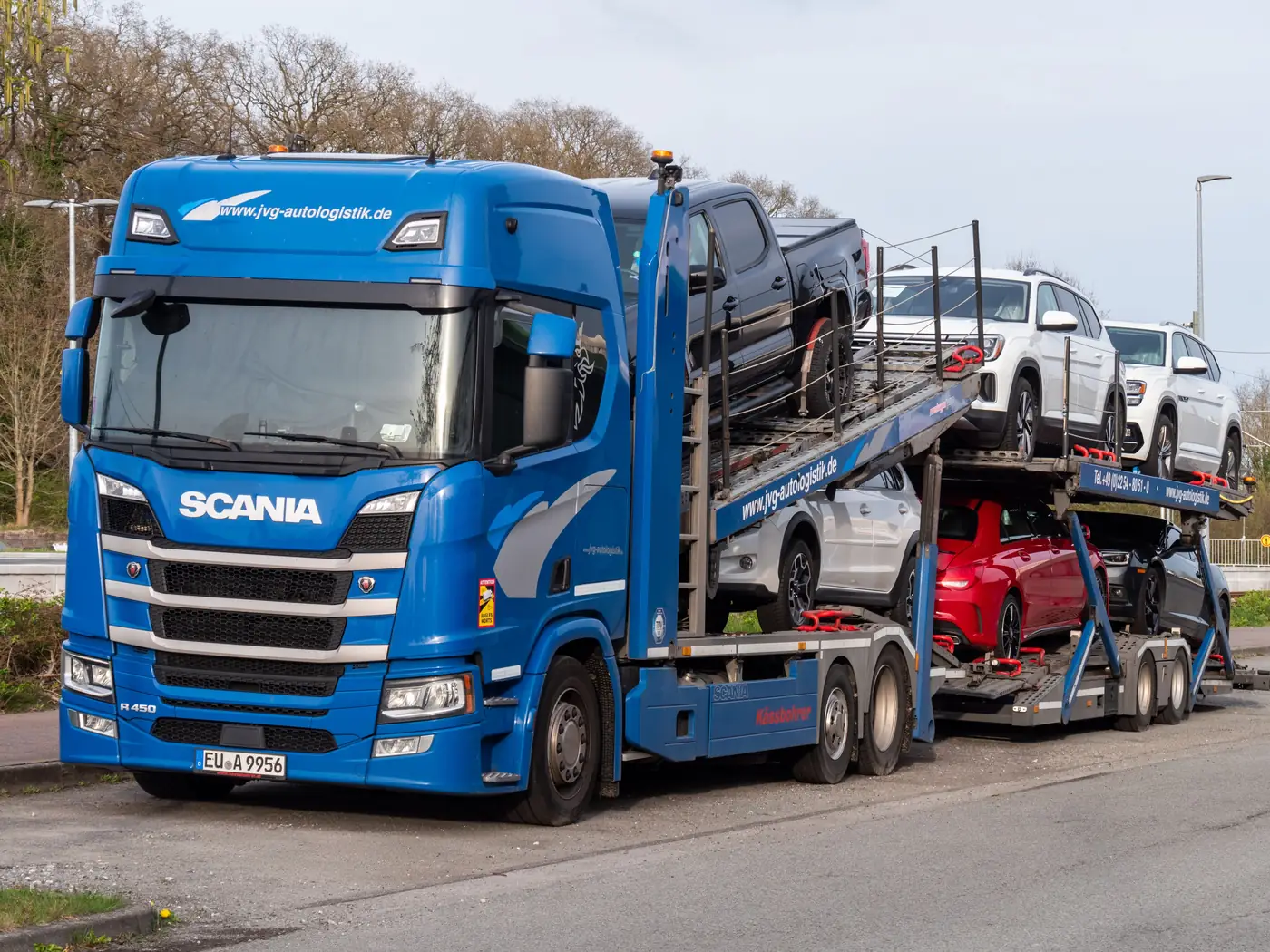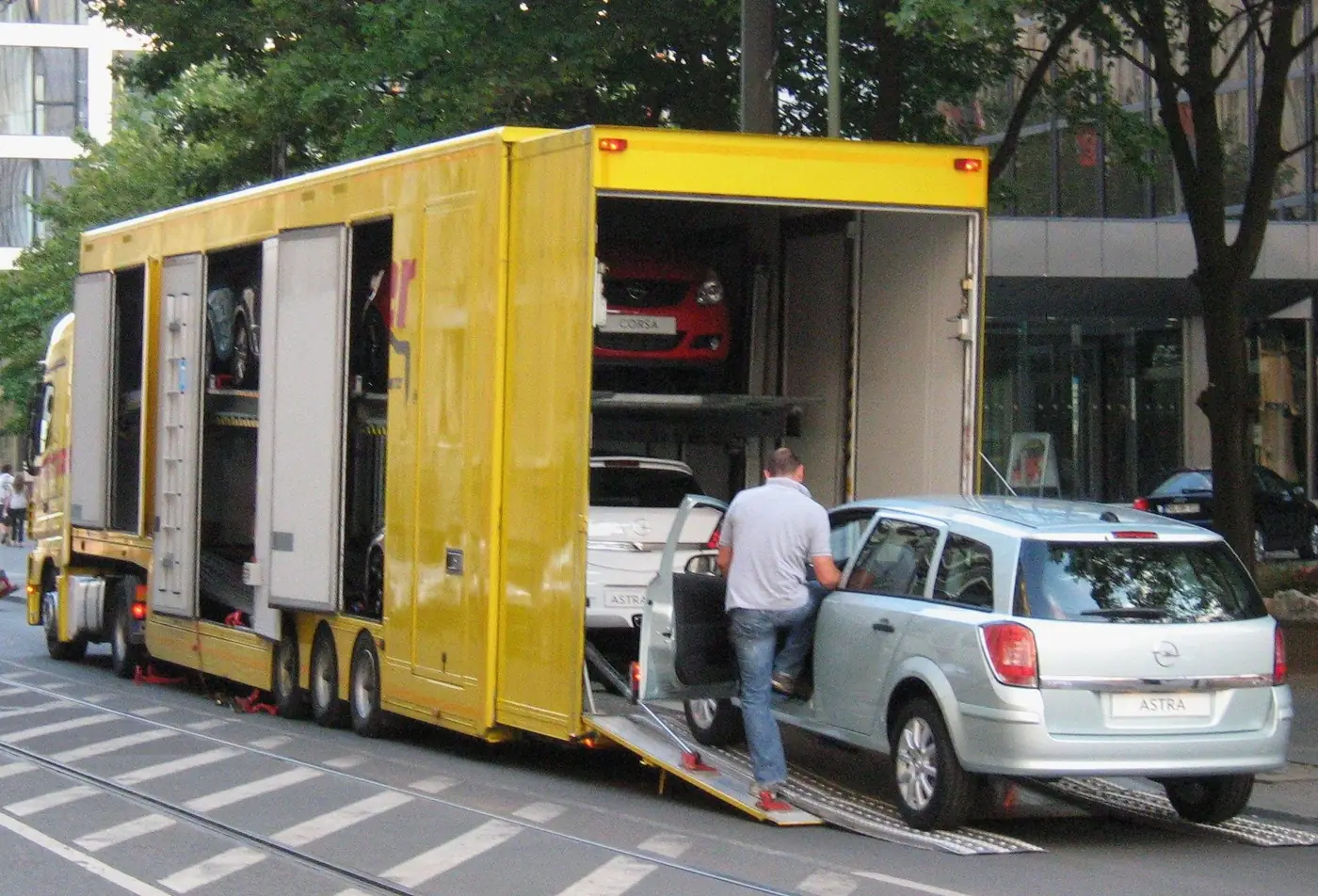
Before choosing how, it is worth asking whether importing makes sense at all. Then, who does each part: finding, inspecting, paying, transporting and registering. The real difference between the three ways is not the paperwork, which is regulated, but who carries the risk of the purchase.
We are importers, so bear that in mind as you read. We have tried to be fair to all three options.
First: is it worth importing a car?
It pays off when one of these is true:
- The model, version or equipment you want cannot be found in Spain, or there are very few.
- In the mid and upper ranges, the total cost once registered comes in below that of an equivalent car here.
- You can wait a few weeks: once the car is found, an import takes 3 to 5 weeks.
It does not pay off, or barely, when:
- The car is cheap: the fixed costs (transport, ITV, fees, plates, handling) weigh heavily on a low price.
- It has high CO2 emissions and a high tax value: the registration tax eats up the difference.
- You need it now.
- There is a similar one in Spain at a good price and with a warranty.
The only way to know is to compare the total cost delivered to your door, not the advertised price. What to prepare before asking for a quote lists the details needed to work it out.
1. Doing it yourself
You do everything: find the car, check the seller, inspect it or travel to see it, negotiate, pay, drive it back or book a truck, and handle the ITV, taxes and the DGT.
- For: no handling fee, and you control every step.
- Against: all the risk is yours. If the car has a hidden fault, if the seller is not who they claim to be or if a document is missing, you find out and you sort it out, remotely and in another language.
- Makes sense if: you speak the seller's language, you can see the car in person, the car is straightforward and you have time for the paperwork.
2. You buy, an agency registers
You find, inspect, pay for and bring the car, and a Spanish paperwork agency (gestoría) handles the pre-registration ITV, taxes and the DGT.
- For: the Spanish paperwork is done right first time, which is where most time is lost.
- Against: the purchase is still yours: the inspection, the payment and the transport. And if the car arrives without a COC or without a document from its home country, the agency cannot fix that.
- Makes sense if: you have already found and inspected the car, and you trust the seller.
3. With an importer, turnkey
The importer runs the whole process and gives you a fixed price before buying: car, transport, taxes, ITV, DGT, plates and their fee.
- For: one point of contact, the total cost in writing before you commit to anything, and the purchase checked by someone who does it every week. The paperwork and the transport become their job.
- Against: you pay for the service, and everything depends on choosing well: not all importers work the same way.
- Makes sense if: it is your first import, the car is expensive, you cannot see it in person or you want no surprises in the final price.
What to get in writing from an importer is covered in How to choose a car importer.
The three ways side by side
| Who handles it | Yourself | With an agency | With an importer |
|---|---|---|---|
| Finding and inspecting the car | You | You | The importer |
| Paying the seller | You | You | The importer |
| Bringing it to Spain | You | You | The importer |
| ITV, taxes and DGT | You | The agency | The importer |
| Total cost before buying | If you work it out right | If you work it out right | In writing |
| Risk of the purchase | Yours | Yours | As set in the contract |
What each option really costs
Doing it yourself saves the handling fee, but costs time, travel and whatever a mistake costs: a miscalculated tax, a car that was not what it seemed or weeks of delay over one document. With an agency you pay for their work and save the paperwork. With an importer you pay for the service within the fixed price. To compare properly, ask each option for the total cost delivered to your door and check what is and is not included.
Questions to help you decide
- Can I see the car in person, or can someone I trust inspect it for me?
- Do I speak the seller's language?
- Can I work out the registration tax from the CO2 figure in the registration papers?
- Do I know which documents the seller must give me in their country?
- If the car arrives with a fault or without a document, who pays?
- How much is my time worth in all this?
If you answer "no" to several of these, an importer, or at least an agency, will save you trouble. The registration steps, in case you do it yourself, are in How to register an imported car in Spain.
If you want to compare, we will give you the fixed price of the car you have in mind, registered and at your door, with no obligation. Tell us about it in the request to import your car.
Get a price for my car