When a car is written off or stolen, the insurer does not pay “what the car is worth”. It pays what the policy says it is worth. And there are three very different ways of setting that figure.
Market value, new-for-old and agreed value
- Market value. This is the car’s value on the market just before the loss, according to the tables the insurer uses (usually the ones the Spanish tax office publishes for used vehicles, with adjustments). It is the default formula in almost all standard policies. The problem: the tables are generic and do not know whether your car has done 30,000 or 180,000 km, whether it is a special edition or whether it had equipment that cost thousands of euros.
- New-for-old. For the first few years (usually one or two), the insurer pays the price of an equivalent new car. It is useful cover, but temporary, and it tends to disappear just as the car starts to become hard to replace.
- Agreed value. The car’s value is set in writing in the policy before you take it out, based on its actual condition, mileage and equipment. In the event of a total loss or theft, that is the figure you are paid, with no arguments about tables.
Why the difference can be large
Picture a seven-year-old premium car bought in Germany for €38,000 because it was immaculate, with a sports package, forged wheels and 60,000 km on the clock. The market value table for that model and year may come out well below that, because it averages every car of that age, including the ones that are worn out. With agreed value, the figure in the policy reflects what you actually paid and what it would cost to replace.
The reverse is true for very high-mileage cars: if you are insuring a €3,000 car fully comprehensive, agreed value does not make much sense. The cover has its place.
Extra equipment: what hardly anyone insures properly
Wheels, brakes, aero parts, special upholstery, sound systems, approved modifications. In a standard policy, all of that counts as “accessories” and is usually capped at a small amount, or excluded if it was not declared. In an agreed-value policy, the equipment is listed when the value is set and is included. If your car has more than a couple of thousand euros in extras, that point alone justifies looking at the option.
Imported cars: the gap between transport and plates
This one is very much our territory. When you buy a car in another European country, there are several moments when the car is yours but is not covered by a normal policy:
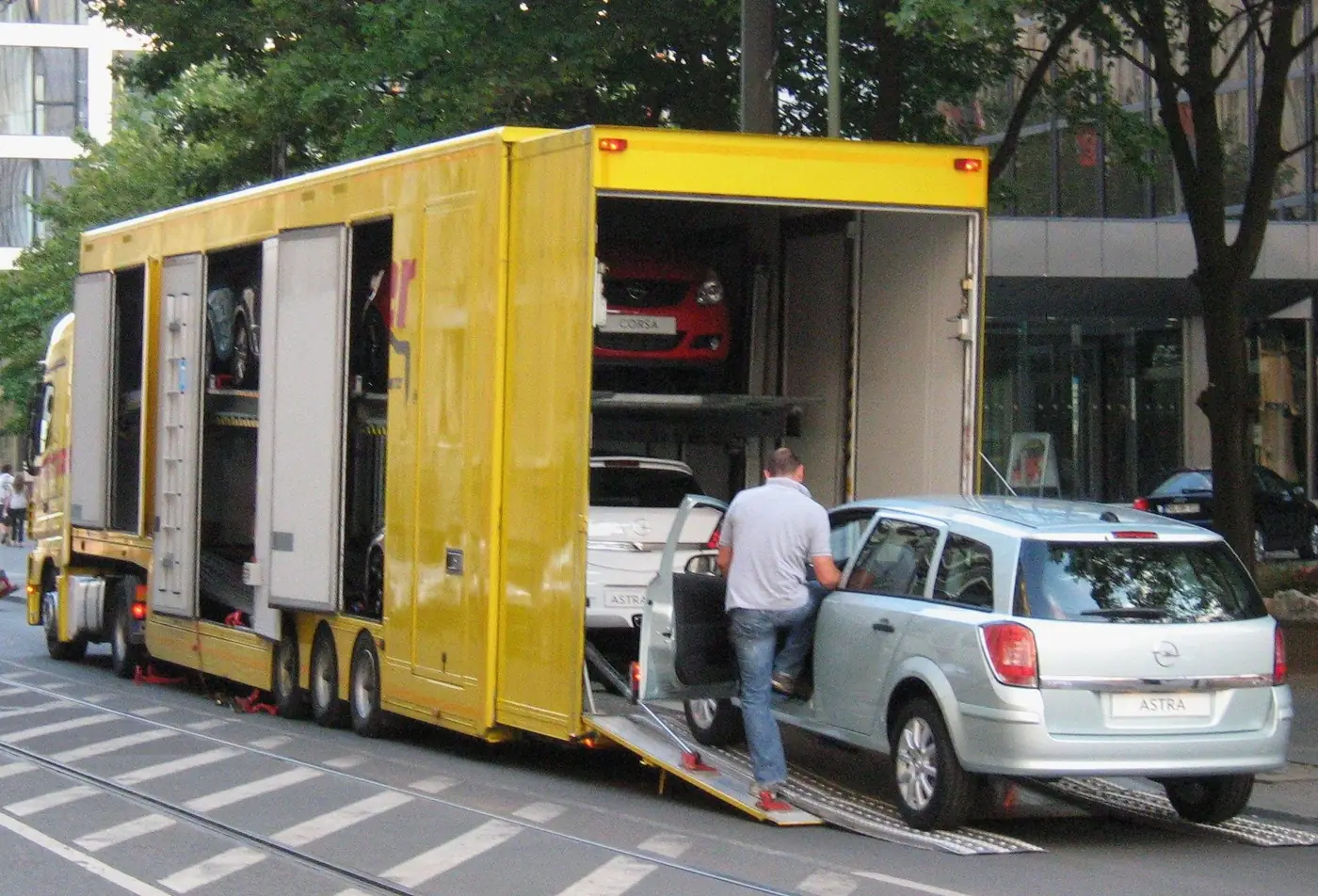
- During transport. The haulier is liable for the load under international road transport rules (CMR), but with per-kilo limits that can fall well short for a valuable car. That is why we take out a transit policy covering the vehicle from loading at source to unloading at its destination.
- Between arrival and registration. The car is in Spain without Spanish plates. It cannot be driven, but it can be damaged, stolen or catch fire in a car park. It needs to be covered.
- From the day it gets its plates. The motor policy must be active that very day. It sounds obvious, yet it is a common slip: the car arrives, is registered on a Tuesday and the insurance is arranged “next week”.
When we import a car, we link all three stages so there is no gap, and we set the agreed value using the purchase documents, which is the best time to do it.
Excess, repairer and courtesy car: the other three questions
- With or without an excess. An excess lowers the premium in exchange for covering the first few hundred euros of each claim yourself. It pays off if you drive little and have a cushion; it does not if the car works hard.
- Free choice of repairer. Many cheap policies tie you to approved repairers. For premium, recent or imported cars, being able to repair at the main dealer with genuine parts protects the car’s value and its warranty.
- Courtesy car. If the car is your work tool or the only one in the household, check how many days are covered and for which types of claim.
Fleets: one policy, many units
For businesses with several vehicles, a fleet policy standardises terms, makes additions and removals simpler when units are replaced and usually works out better than insuring car by car. If you also buy or sell batches in Europe, transport cover is built into the same relationship with the insurer.
So when does agreed value pay off?
- When the car is clearly worth more than the average for its model and year: good condition, low mileage, equipment.
- When you have imported it and have documentation of what it cost to get it on the road.
- When it is a collector’s car, a limited edition or a sports car, and no “table” reflects it properly.
- When it has extras worth several thousand euros.
And it does not pay off when the car is worth little, is rarely used and the difference in premium is not justified. A good adviser will tell you that too.
If you would like to know what value would be set for your car, the one you are about to import or your fleet, ask under Insurance. Four steps, and we will reply with a proposal.