Importing a car through someone else makes perfect sense: it spares you the languages, the paperwork and the risks. But you are putting a significant sum of money in their hands, along with a car that is a thousand kilometres away. Before you choose, ask these questions. A serious importer answers them plainly and in writing.
1. Who exactly are they?
- Their details on the website: name or company name, tax ID (NIF) and address, in the legal notice. It is a legal requirement and the first thing to check.
- Their track record: how many years they have been going, which countries they work with and whether they import cars like yours.
- A contact person who answers you by phone or WhatsApp, not just a form.
2. Who buys the car, and in whose name?
There are two ways of working, and it is worth knowing which one they use:
- The importer buys the car and sells it to you already registered in Spain. You deal with a single company, and the car is their responsibility until they hand it over to you.
- The importer manages the process and you buy directly from the foreign seller. It can work out well, but the contract is between you and the seller, and if something goes wrong your claim is against a dealer in another country.
Neither is bad in itself, but it changes who you claim against if the car is not as described.
3. What does the price include?
Ask for an itemised price and check that every item is there: the car, insured transport, registration tax, the ITV inspection (the Spanish equivalent of the MOT) and homologation, DGT fees, plates and the importer’s fee. Then ask the key question: is it a fixed or an estimated price? A fixed price does not change unless something changes that was explained to you beforehand (for example, you choose a different car). An estimated one can grow halfway through.
4. Where does your money go, and when?
- Payments go into an account in the name of the company invoicing you, never into a private individual’s account.
- What is paid upfront and what on delivery, in writing.
- What happens to what you have paid if the car fails the inspection or the seller pulls out.
Be wary of anyone who asks for the full amount upfront before a specific car has been chosen and inspected.
5. How is the car inspected before it is bought?
The inspection at source is what prevents the most problems. Ask who carries it out (someone from the team or an independent inspector), what they check (mechanics, bodywork, electronics, mileage, chassis number and documents) and what you receive: photos, video or a report. And what happens if they find something: renegotiate, look for another car or not buy it.
6. Transport, insurance and timescales
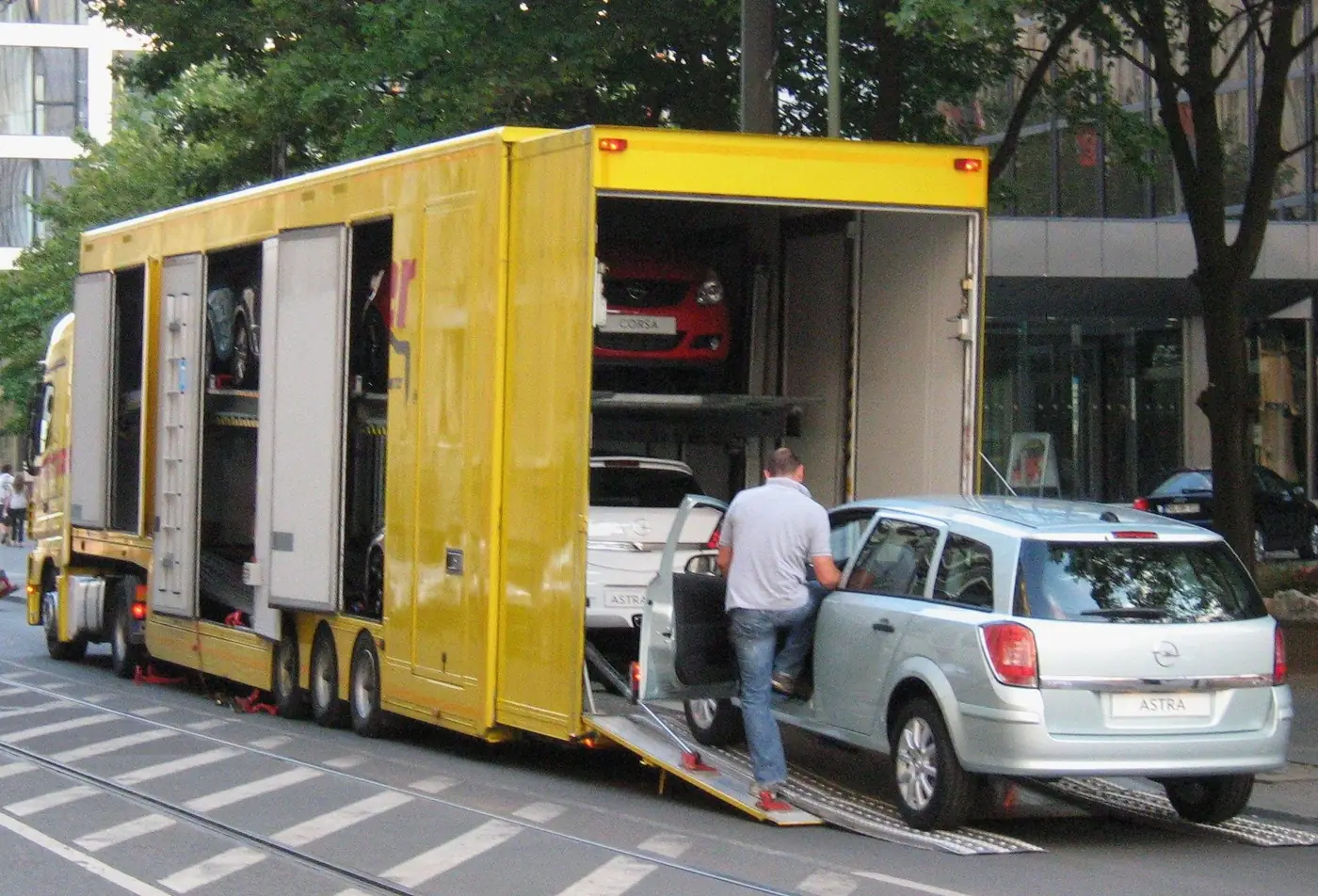
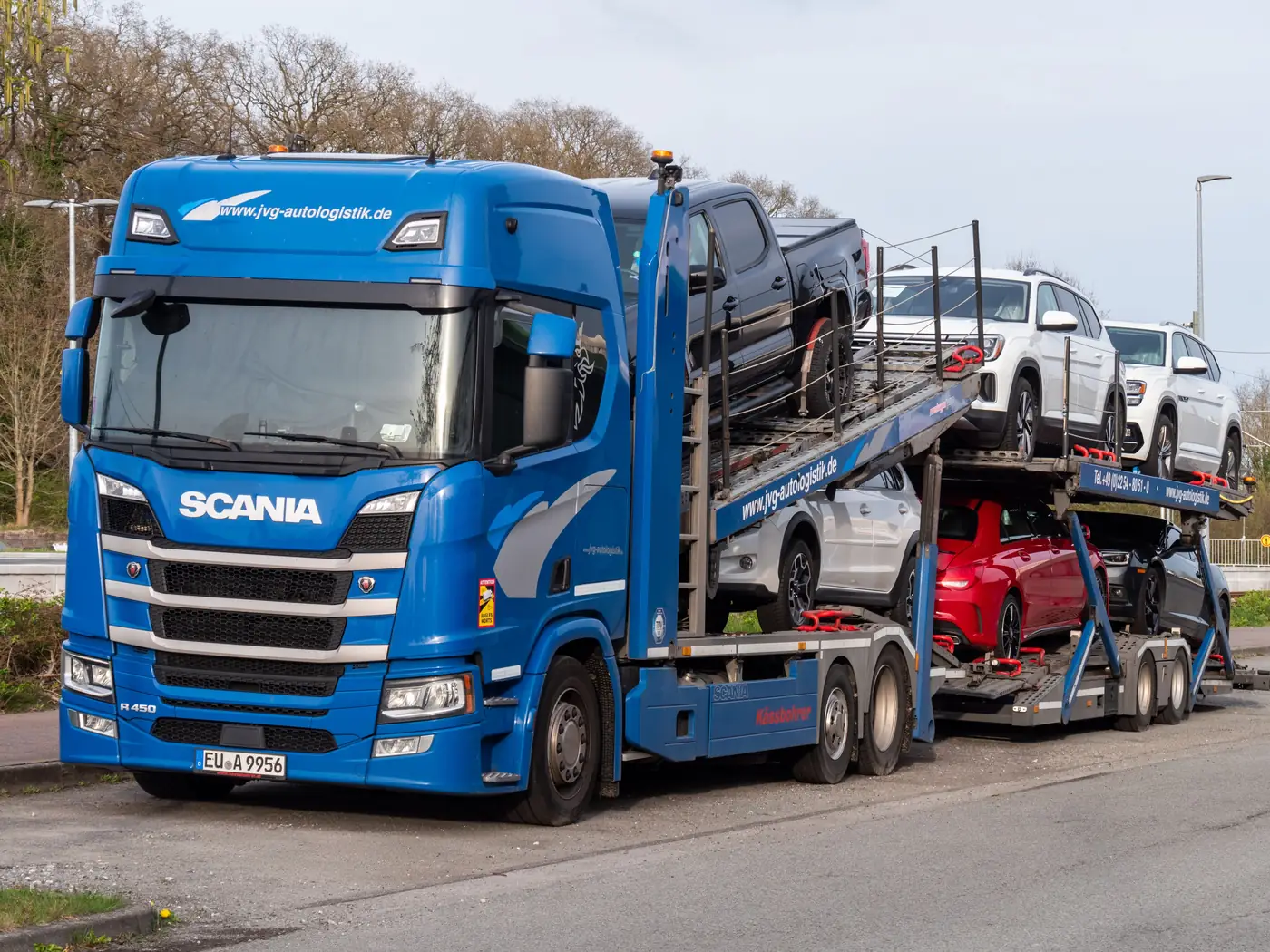
- How the car travels (open or enclosed lorry) and whether it is insured from loading to delivery.
- Realistic timescales, including registration. Be wary of “registered in a week”: the ITV and the DGT work to their own timetables.
- Who handles the registration, and in whose name.
7. And after delivery?
Manufacturer warranties are valid throughout the European Union, so a car under warranty keeps it in Spain. Ask as well what warranty the importer gives you if they are the ones selling you the car, and how a claim is handled.
Signs that you should walk away
- There are no company details, or they do not match those on the bank account.
- Prices far below everyone else’s with no explanation at all.
- Nothing in writing: “I’ll confirm it later”.
- A rush to take a deposit before a car has been chosen.
These are the same questions we want you to ask us. See who we are under About us or ask us anything under Contact.