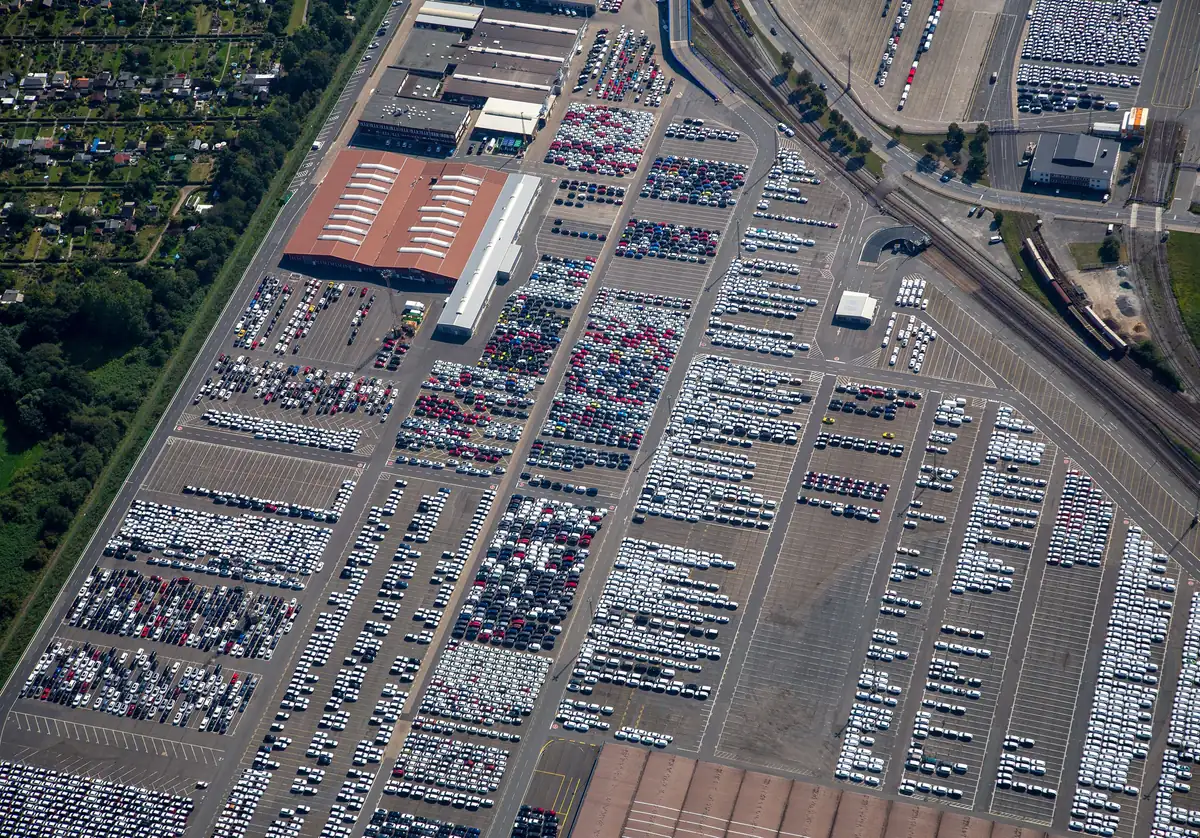
We have been buying and selling fleets between professionals all over Europe since 2005, with years in which up to 6,000 cars passed through our hands. In that time we have seen hundreds of well-prepared batches sell within days, and just as many drag on for ever over details that could be sorted out in an afternoon. This guide is the checklist we go through before making an offer, so you can use it to your advantage.
1. The list: the basis of any offer
A serious buyer does not value “about 40 cars”. They value a list with one row per vehicle and, at the very least, these columns:
- Make, model, version and engine.
- Chassis number (VIN) and registration number.
- Date of first registration.
- Current mileage.
- Colour, gearbox and relevant equipment.
- VAT scheme (explained below).
- Physical location and the date it will be available.
- Condition: known damage, next roadworthiness test (ITV), issues.
With this, each unit can be valued within a few hours. Without it, the offer is a wide, conservative range, because the buyer covers what they do not know with margin.
2. Deductible VAT or margin scheme: the biggest factor in the price
Between European professionals, the price of a used car is always read together with its VAT scheme:
- Vehicle with deductible VAT (bought new by the company with the VAT reclaimed, typical of car rental, leasing and corporate fleets): it is sold with VAT charged. For a professional buyer in another EU country, the transaction is an exempt intra-EU supply and they buy at the net price. These are the most liquid batches and the ones that fetch the best prices.
- Vehicle under the margin scheme (REBU in Spain): VAT is not charged and the buyer cannot deduct it. The price is “gross” and the next link in the chain has a smaller margin, so the offer goes down.
If your fleet is company-owned with the VAT reclaimed, say so on the list from the very start. It is your best argument on price.
3. Paperwork that speeds everything up
A batch is paid for and collected when the paperwork is complete. For each unit, have ready:
- Registration certificate and technical data sheet (or their equivalents in each country: in Germany, parts I and II of the Zulassungsbescheinigung; in France, the carte grise, and so on).
- A valid roadworthiness certificate (ITV in Spain) or the date of the next test.
- Service history, even if it is just the fleet workshop’s summary.
- The spare key. It sounds like a detail; it is missing from more batches than you would imagine, and it gets deducted.
- Any charges on the vehicles: if units are financed or leased, the settlement amount and who is handling it.
4. Condition and photos: what avoids renegotiation
Nobody expects a delivery fleet to be immaculate. What is expected is that there are no surprises at collection. An honest damage report per unit, with photos of all four sides, the interior and the dashboard showing the mileage, makes it possible to give a firm offer that will not change later. Hiding dents achieves only one thing: the offer gets renegotiated downwards with the lorry already at your door.
5. Logistics: where the vehicles are and when they can be collected
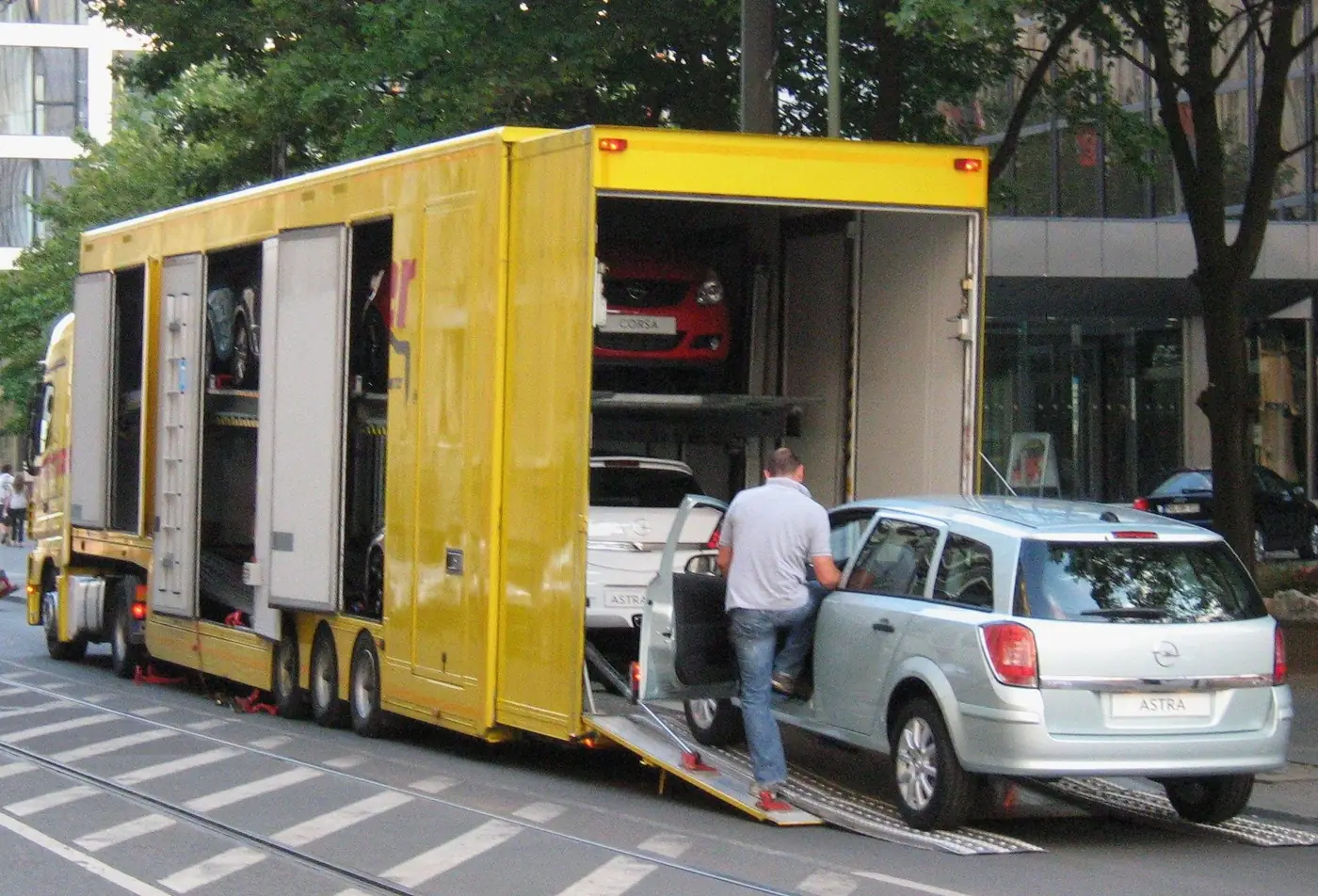
The buyer organises the lorries around locations and dates. Units spread across six sites and available “when the season ends” cost more to move than a single batch with a fixed date. If you can group the units in one or two places and set collection windows, you improve both price and speed.
In cross-border deals, the export deregistration in the country of origin and the new registration at destination also need to be coordinated. That is the buyer’s job, but it needs your cooperation with the paperwork within the agreed timescales.
6. How the deal is closed: offer, contract and payment
- Indicative offer based on the list, usually within a few days.
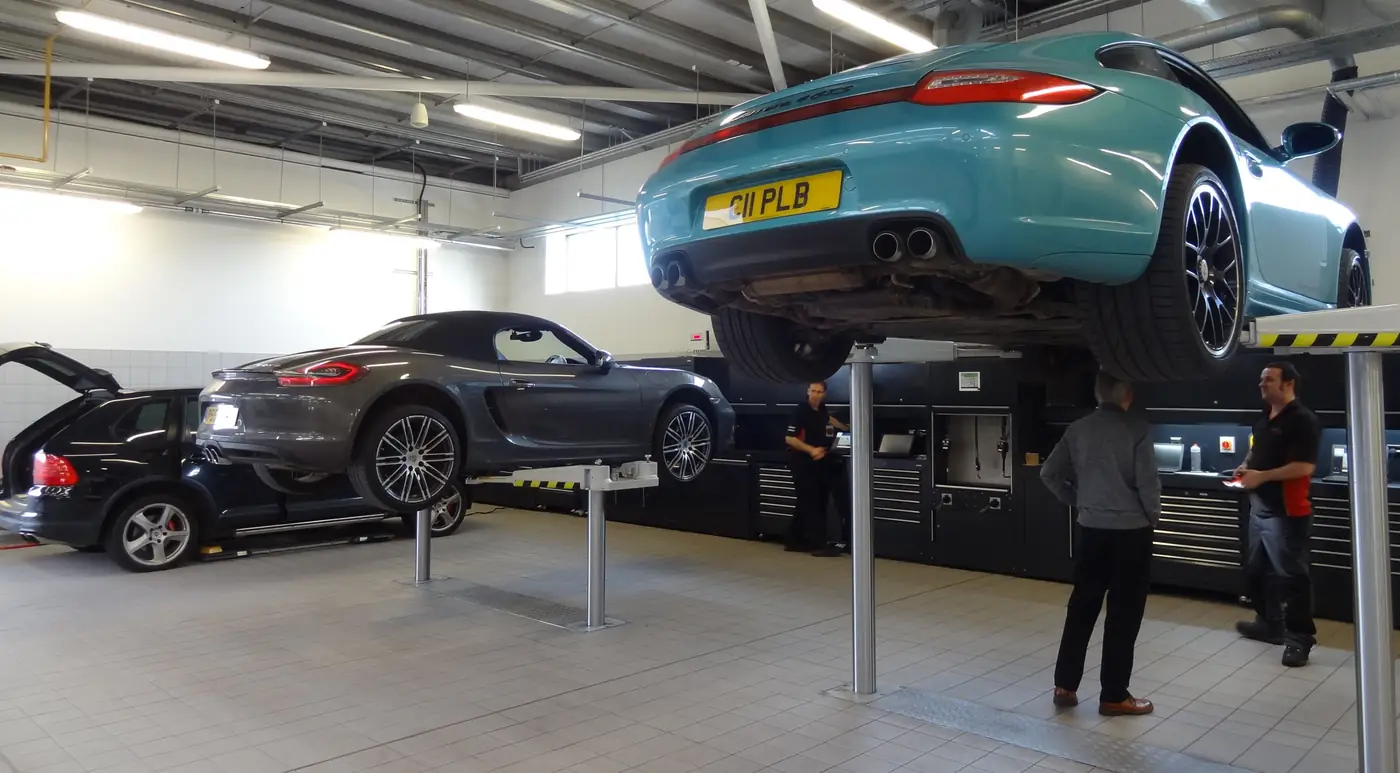
- Inspection at your premises of a sample or of every unit, depending on the size of the batch.
- Firm offer with a per-unit and total price, VAT terms, collection dates and method of payment.
- Framework contract with the list attached and the delivery terms.
- Payment against handover of the paperwork, by batch or by unit, as agreed. Vehicles are not loaded until the corresponding payment has been confirmed.
Selling and renewing at the same time
If you are selling the fleet because you are about to renew it, treat it as a single deal: the old units going out and the new ones coming in, coordinated so your business never stops. That is what we do with dealerships, car rental companies and businesses with their own fleet: we value and buy back the current vehicles, supply the next units from our European network and handle registration and staggered deliveries.
Got a batch to move or a fleet to renew? Tell us your profile, volume and timing under European fleets. Once we have the list, we will come back with an indicative offer within a few days.