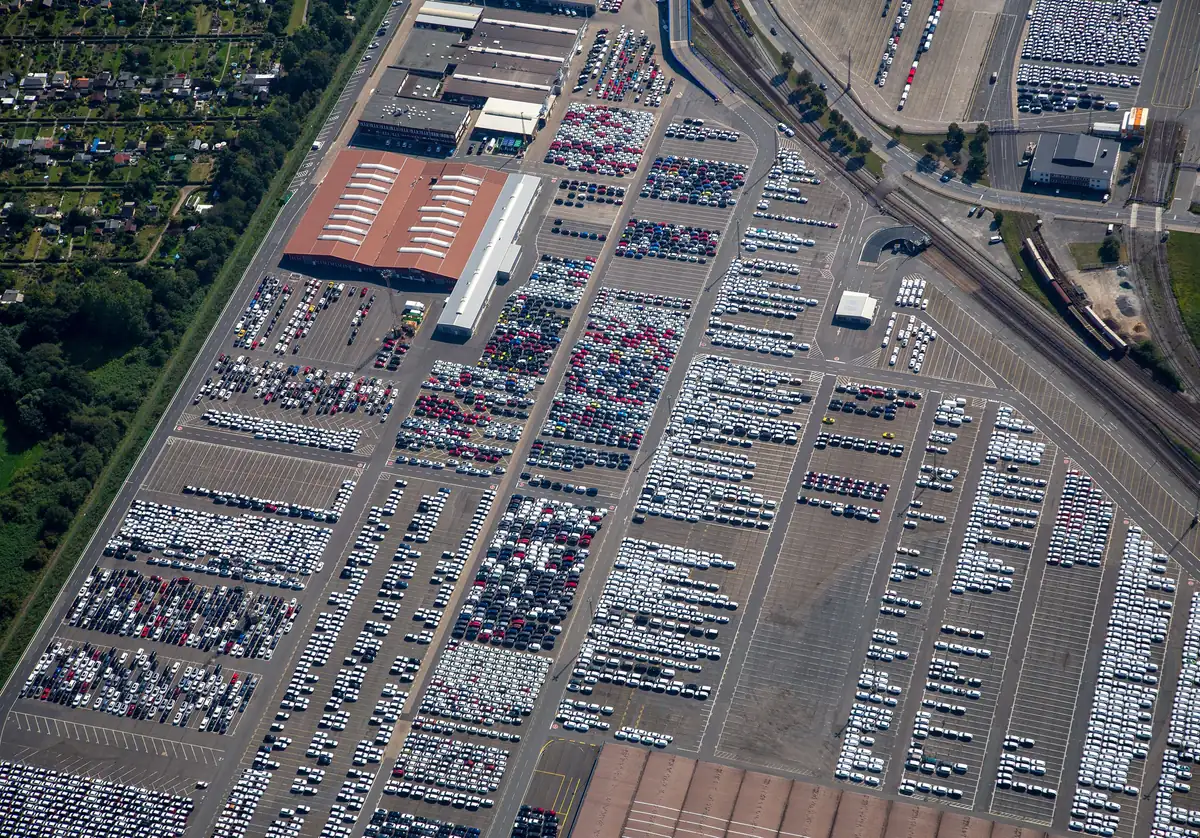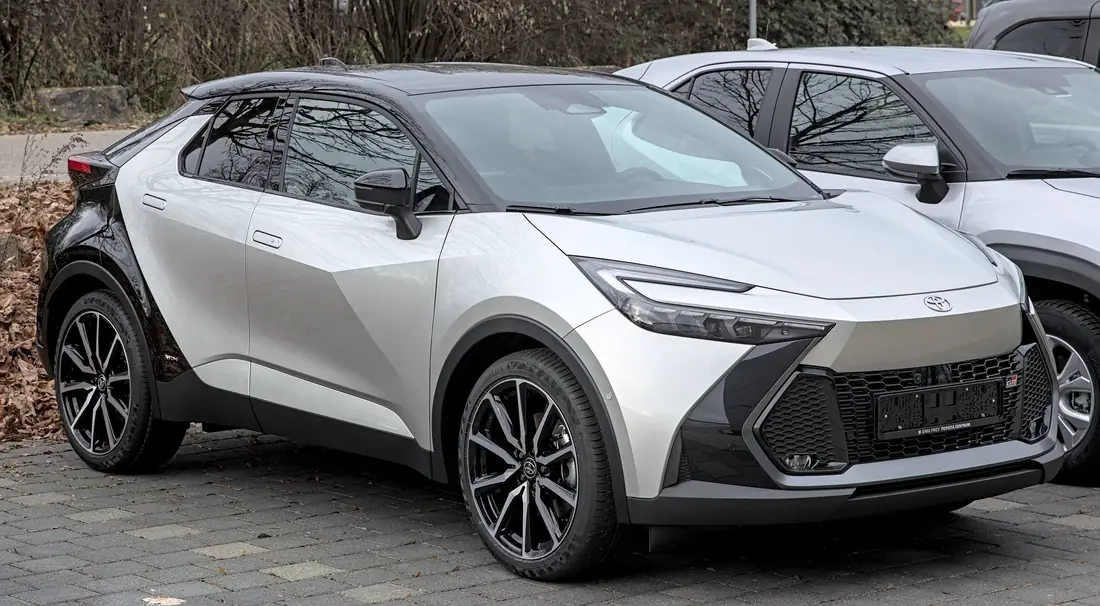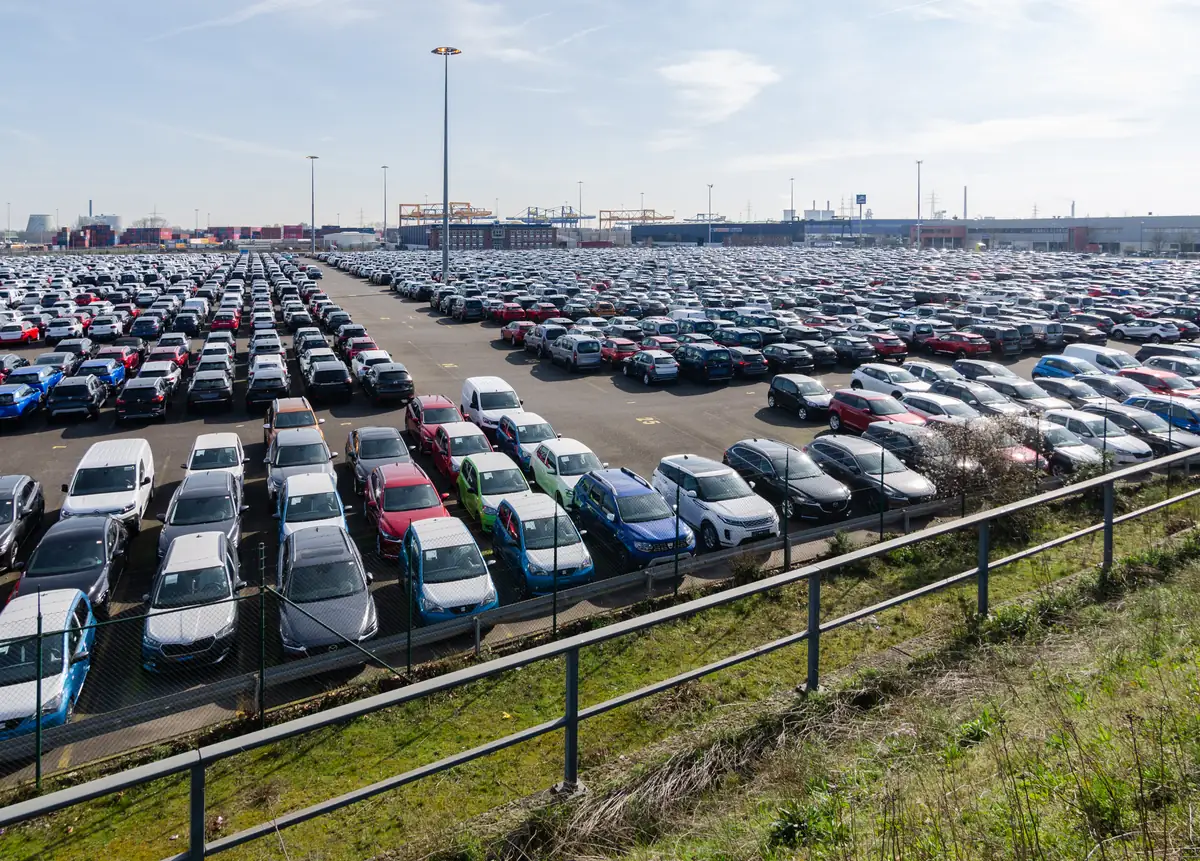
Every car dealer knows the one: the car that was valued well and advertised well, but just will not move. The weeks go by, the price comes down, then down again, and every day costs money. Often the problem is not the car but the market: that same car is in demand a thousand kilometres away.
Why a car that won’t sell here sells abroad
Every European country buys differently. Taxes, each city’s low-emission zones and local habits mean that a model that is hard to shift in Spain can find buyers in another country, and vice versa. Some cases we see often:
- Large diesels and premium saloons or estates, which are losing appeal in Spain because of urban restrictions but still have buyers in other markets.
- Nearly new hybrids and electric cars in areas where local demand is weak.
- Batches of the same model (end of lease, end of the rental season) that would flood the local market if they were all sold here at once.
- Highly specced or unusual versions, which cannot find their buyer in Spain but can in a bigger market.
What a car standing still costs you
Before deciding whether to export, it is worth putting numbers on the car that is not selling. It is not just the price coming down:
- Depreciation. With every month that passes, the car is worth a little less, and models with little demand lose value faster.
- Financing cost. If your stock is financed, every day it stands still costs interest. If it is not, it is money tied up that is not buying cars that do sell.
- Space and upkeep. Yard space, cleaning, batteries, small repairs to keep it presentable, fresh photos and renewed listings.
Add those three lines together and selling today for a little less than you hoped usually works out better than selling it “at its price” four months from now.
How a car is valued for export
A firm figure does not take much, but what it takes has to be accurate:
- Car details: make, model and version, year of first registration, mileage, engine and gearbox, colour and the equipment that matters.
- Condition: photos of the exterior and interior, dents or scratches, tyres and brakes, and any known faults.
- History: service book, number of owners and whether it was a lease, rental or privately owned car.
- Documents: registration certificate, technical data sheet and, if there is outstanding finance on the car, the settlement figure.
With that, the buyer compares it with what that car fetches in their market, deducts transport and paperwork, and makes the offer. The more complete the details, the smaller the safety margin they need and the better the figure. For a batch, the quickest way is an Excel spreadsheet with one row per car.
The paperwork: export deregistration
A car that is going to be registered in another country has to be deregistered in Spain: this is export deregistration with the DGT (the Spanish traffic authority). It matters to the seller for one reason: once it has been processed, they are no longer responsible for the car in Spain. No road tax, no compulsory insurance, no fines in their name.
That is why the buyer should undertake in writing to handle it and send you the certificate. If you sell directly to a foreign buyer, make it clear who does it and when.
Getting paid before the car leaves
The most important rule when selling abroad: the car does not leave your premises until the money is in your account. A serious offer is firm (a price per car, in writing, with no “we’ll see when it arrives”) and is paid by bank transfer before collection. Be wary of payment in instalments, of cheques and of anyone who wants to take the car away against a deposit.
What about VAT?
It depends on who you sell to. If you sell to a Spanish company that then exports the car, for you it is a sale in Spain, with the usual contract and invoice. If you sell directly to a trader in another EU country, the sale can go through without Spanish VAT as an intra-EU supply, but you have to check the buyer’s VAT number and be able to prove that the car has left Spain; and if the car is sold under the margin scheme for second-hand goods (REBU in Spain), the treatment changes. Always ask your tax adviser before invoicing.
Sell it yourself or through someone?
Selling directly to a foreign buyer makes sense if you already have trusted contacts in that country and speak their language. If not, the usual route is to sell to someone who has the network: you are spared finding a buyer, negotiating in another language and coordinating transport, deregistration and payment, as well as the risk of something going wrong a thousand kilometres away.
If you have cars or a batch that won’t sell, send us the list under Export stock. We will reply within 24 working hours with a firm offer.