“How long does it take?” is, along with the price, the question we are asked most. The honest answer is that it depends, but not on luck: it depends on five stages, each with its own timescales and its own causes of delay. Knowing them helps you plan and tell whether a timescale you are given is realistic.
1. Finding the car
If you already have a specific listing, this stage hardly exists. If you are looking for a model with particular equipment, suitable cars have to be found, their total cost delivered in Spain compared and the unconvincing ones ruled out. It can take days or a couple of weeks, depending on how specific you are: the more conditions (colour, version, exact year), the longer it takes.
2. Inspecting and buying it
Before paying, the car is inspected at source: mechanics, bodywork, mileage and whether the chassis number matches the paperwork. Arranging the inspection with the seller usually takes a few days. If something turns up, the price is renegotiated or another car is found, and the clock goes back a little; better to lose a week here than to buy a problem.
3. Payment and paperwork
Once the contract is signed, a bank transfer takes one or two working days to arrive. The seller then hands over the original documents, which are essential for registration: in Germany, both parts of the registration certificate and, wherever possible, the Certificate of Conformity (COC). A missing document at this point is the costliest delay of the whole process, because it comes to light later.
4. Transport to Spain
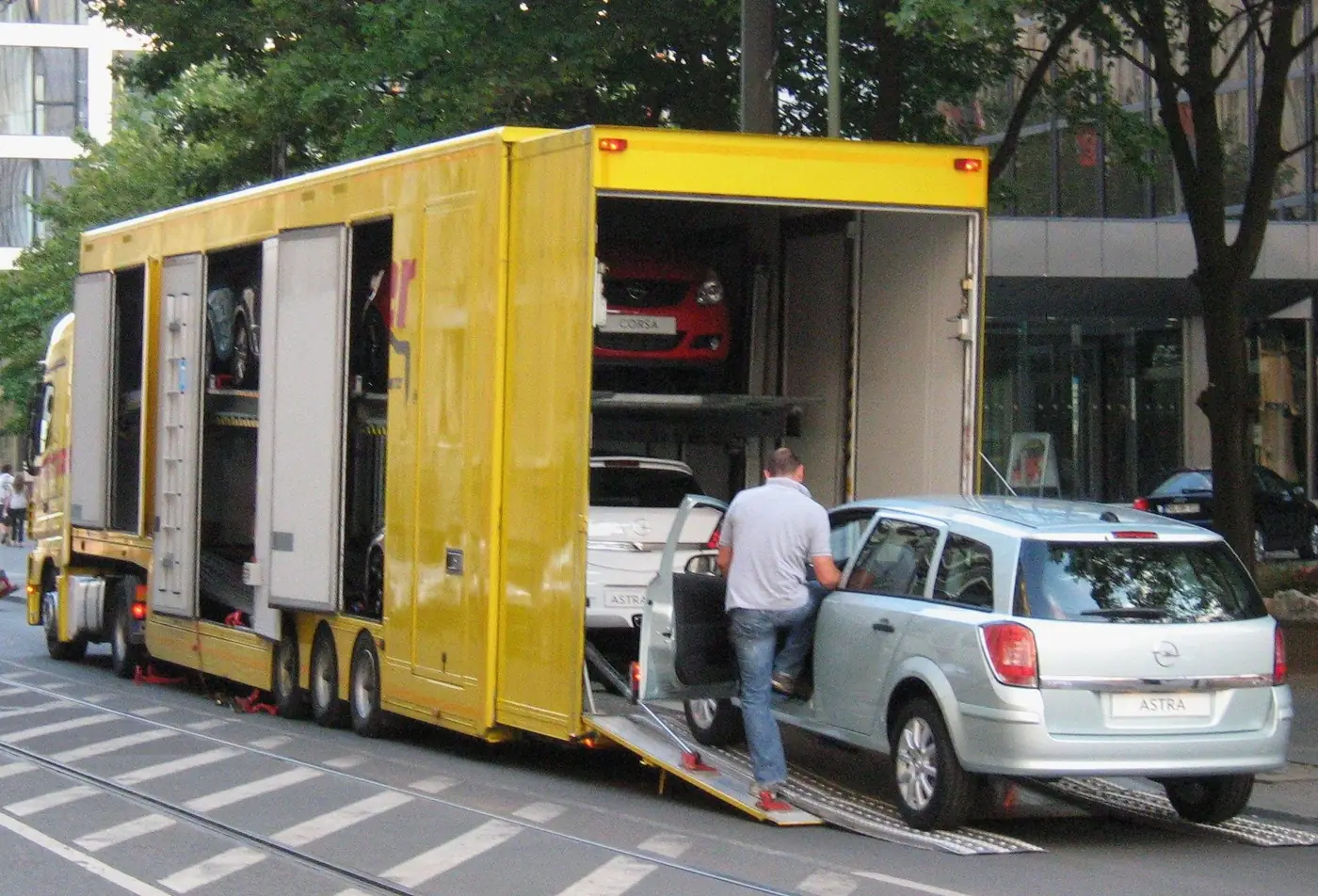
The car travels from the seller on a car transporter. The timescale depends on the route and on when the lorry’s load is complete: from Germany or France it is usually a matter of days; from further afield, a little longer. It travels insured and without adding to the mileage.
5. Registering it in Spain
This is the longest stage and the one that depends least on anyone in particular: the pre-registration ITV (the Spanish equivalent of the MOT), the registration tax paid to Hacienda (the Spanish tax office), the municipal road tax and the application to the DGT (the Spanish traffic authority), with the plates at the end. With the paperwork in order, it usually takes two to three weeks from the moment the car arrives. The ITV appointment and the DGT workload in each province make the difference.
What slows an import down most
- A car without a COC, which needs a longer homologation.
- Part II of the registration certificate (or its equivalent) not arriving with the car.
- Looking for a car with too many conditions at once.
- Missing details for the contract or the registration (address, tax ID, whose name the car goes in).
- Busy periods at the ITV or the DGT.
What you can do to speed things up
- Decide early on the must-haves and the don’t-minds.
- Have your details, and those of whoever will be the registered keeper, to hand.
- Reply quickly when we send you the inspection photos.
- If you have a deadline, say so from the start: everything is planned backwards from there.
Got a date in mind? Tell us which car you are looking for under Import and we will tell you whether we can make it.